
Why Spatial Audio Is the Next Frontier for Hybrid Workspaces
Across offices that span multiple time zones, voices travel through headsets and laptop speakers, trying to recreate the feel of being in the same room. Yet even as cameras sharpen and bandwidth rises, the sound often remains flat. Hybrid workers may struggle to follow overlapping talk, or lose track of who is speaking. In that gap, new approaches to audio try to give meetings a sense of presence instead of distance.
Instead of compressing all sound into one channel, immersive systems assign position, direction and depth. This approach helps the brain separate signals, much like it does in real life. When each participant’s voice appears from a distinct point, listeners can recognise tone, timing and emphasis with less mental strain. In tests, some people report reduced fatigue after long calls, though results vary from person to person.
Spacial audio solutions enter here as a bridge between digital and physical meeting spaces. Software can simulate a boardroom layout, placing a manager at the far end, a colleague beside you and a guest speaker opposite. The effect is subtle but persuasive enough that some users feel more included in conversation. It also allows natural overlaps in speech, which traditional conferencing mics tend to clip.
Companies that adopt these systems often notice shifts in collaboration style. Small groups form inside large calls without chaos. Breakout sessions gain texture when participants “move” their audio positions. Even informal chats take on the rhythm of a shared environment rather than a sequence of isolated voices. This shift may, in time, influence how teams organise their meetings and how long they last.
Hardware makers also explore this arena. Smart speakers and conference bars now carry multiple microphones and directional drivers. Paired with software tracking, they can beam voices toward remote listeners as if projecting across the table. Laptops and mobile devices follow suit, bundling head-tracking sensors with on-board processing to recreate these cues without expensive gear.
The move has implications for inclusion. A well-tuned system can amplify soft voices or highlight interpreters without overwhelming others. Participants with hearing differences may benefit from clearer localisation of speech, though this requires careful calibration and optional settings. If done without testing, immersive sound could disorient some users, so pilot programmes remain crucial.
Security and privacy emerge as fresh questions. When audio feels more “real,” people may forget they’re still transmitting data across networks. Companies must review encryption, data retention and consent, ensuring the new format does not create new risks. This kind of review takes time and might slow deployment, but ignoring it could backfire later.
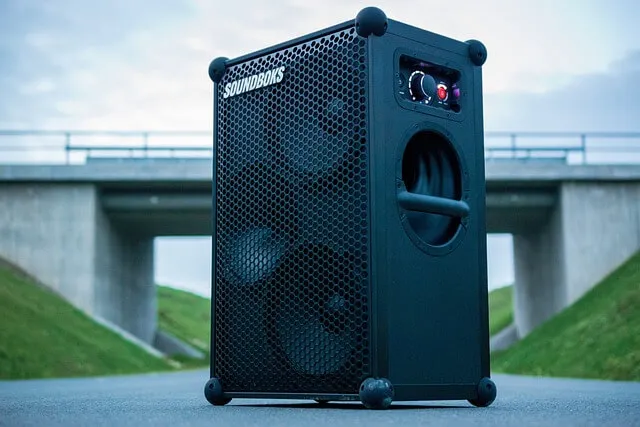
Image Source: Pixabay
At a strategic level, leaders consider whether the benefits outweigh the learning curve. Employees may need guidance to adjust settings or wear certain headsets. IT departments must integrate the new software with existing platforms. Yet as hybrid work solidifies, these investments could become part of the cost of doing business, much like webcams or VPNs once did.
Early adopters already test advanced scenarios. Virtual offices with avatars and three-dimensional soundscapes let teams walk “around” each other, hold side conversations, or listen to ambient office noise for a sense of shared energy. Such experiments may not fit every company, but they reveal how far the concept can stretch.
Ultimately, spacial audio solutions suggest that remote work can be more than flat screens and tinny voices. They hint at a future where teams hear each other as if sharing one space, even while scattered worldwide. The technology is still evolving, with uneven results, but each small improvement reduces the distance between a home office and a conference room. For many firms seeking stronger bonds across geography, that promise alone invites serious attention.

Comments