Broker Features That Matter for Short-Term Traders
Short-term traders experience a broker differently from investors who hold positions for months. A platform interruption lasting thirty seconds, a spread that widens during a release, or an order filled two points away can decide the result before the broader market view has time to matter. Choosing a cfd broker for this style is less about the longest feature list and more about what happens during the busiest minutes of the session.
Beginners often compare headline spreads and available markets. Experienced traders inspect execution records, order controls and pricing during the exact hours they intend to trade. The distinction is practical. A low advertised cost means little if it disappears whenever liquidity becomes valuable.
Reliable Execution Under Pressure
Execution quality includes more than speed. Traders need to know whether orders are filled at the displayed price, improved when the market moves favourably, or slipped only when the movement works against them. Requotes, rejected orders and delayed confirmations can turn a planned scalp into an unwanted directional position.
Consider a US index trading in a narrow range before an inflation release. The data arrives below expectations, futures break resistance, and a buy-stop activates. Within seconds, price jumps several points before reversing toward the breakout level. A fast-looking platform may confirm the order quickly, yet the actual fill could be near the top of the spike.
The breakout was real. The entry was poor.
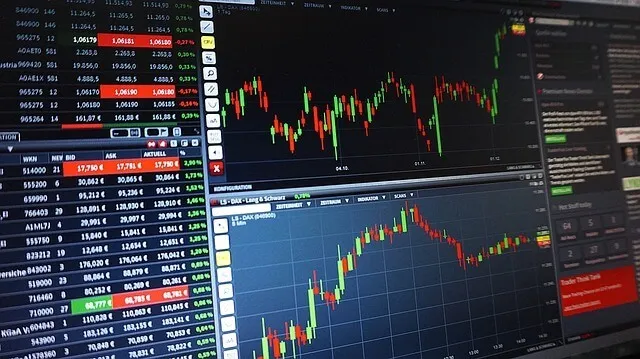
Image Source: Pixabay
An experienced trader reviews the fill against available prices and spread conditions rather than blaming the setup alone. Execution statistics across several events reveal more than one isolated result.
Spreads That Reflect Actual Trading Conditions
Minimum spreads are marketing figures, not trading histories. What matters is the typical spread during the London open, the New York overlap, scheduled economic releases and quieter overnight periods. A product quoted at one point in calm conditions may briefly widen to four or five when orders flood the market.
Counterintuitively, the provider advertising the narrowest minimum spread may not be the cheapest. Slightly wider but stable pricing can cost less than a nominally tight quote combined with frequent slippage. Short-term traders pay for inconsistency because their profit targets are often small relative to transaction costs.
Commission details also deserve close attention. The relevant calculation includes the opening cost, closing cost, spread and any currency conversion applied to the result. A fee that looks trivial per side becomes substantial across dozens of monthly trades.
Order Controls That Reduce Manual Errors
One-click dealing, preset position sizes and attached stop-loss orders can shorten the distance between analysis and execution. Yet convenience without safeguards creates another problem. A stored size from the previous trade can produce accidental overexposure when the next instrument has a different point value.
Useful controls include default stop distances, maximum order size, confirmation settings and the ability to modify several positions quickly. Guaranteed stops may matter in markets exposed to gaps, though providers usually charge for that protection. Trailing stops should also be examined carefully because some operate only while the platform remains connected.
The first trade often follows the planned size. Rapid re-entry is where the interface begins influencing behaviour.
Platform Stability and Clear Market Information
A stable connection is essential, but traders also need server time, live margin figures, trading-hour notices and warnings before contract expiry. Index, commodity and share products do not all follow the same schedule. A position can become expensive or difficult to manage when a session closes earlier than expected.
Mobile access is useful as a backup, not as proof of resilience. Traders should know whether open positions can be managed by phone if the main platform fails and whether customer support can close a trade after technical disruption. An attractive charting package cannot replace an operational fallback.
Before funding a cfd broker for short-term activity, observe its live spreads for five sessions and include at least one major release. Place minimum-size market, limit and stop orders, then record requested prices, fill prices and confirmation times. Check how quickly stops can be modified and what happens when volatility rises. Those observations provide a more useful comparison than any feature table on a sales page.