
Can Returned Retail Goods Be Worth Reselling?
A returned item sits in an unusual position. It has already been sold once, but that does not reveal whether it is damaged, unwanted, incomplete or simply unsuitable for the first customer. For a reseller, this uncertainty is both the risk and the reason returned goods can sometimes offer value.
The first question should not be, “How cheap is the lot?” It should be, “What work could this lot require before it can be sold again?” A sealed product returned because a customer changed their mind is very different from an electrical item with a fault or a flat-packed product missing fittings. Both might appear in the broad category of returns, yet their resale prospects are not equal.
A customer returns auction can give buyers access to batches that need more judgement than ordinary new stock. Where descriptions, photographs or manifests are provided, they can help a buyer form an initial view of the mix. They cannot remove every uncertainty. The reseller still needs a plan for testing, grading, cleaning, repackaging or separating unsuitable items when those steps are relevant.
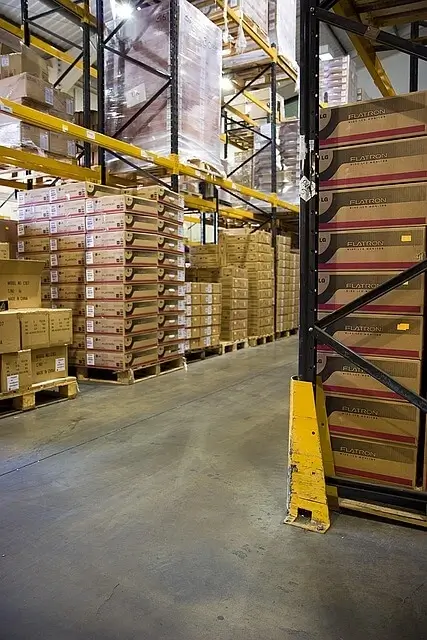
Image Source: Pixabay
Category knowledge makes a major difference. Someone familiar with small appliances may know which accessories are essential, which cosmetic marks customers tolerate and which problems make an item uneconomic to handle. A clothing reseller will focus on different signals, such as sizes, labels, condition and seasonal usefulness. Familiarity helps turn a mixed batch into a set of individual decisions.
The resale channel also affects what “worth reselling” means. An item with damaged retail packaging might struggle as a premium online listing but work well in a discount shop if its condition is explained clearly. A bulky product may have a healthy sale value but poor economics once delivery is considered. A buyer needs to judge the stock in the context of how it will actually reach a customer.
Before bidding in a customer returns auction, a reseller can build a simple cost model. The purchase price is only the starting point. Buyer fees, collection or delivery, storage materials and any testing or cleaning costs should be considered. It is also sensible to allow for units that cannot be sold or that take longer than expected to move. A maximum bid based on those assumptions is more useful than chasing an attractive headline value.
Time deserves the same attention as money. Sorting fifty mixed products, identifying models, checking parts and creating listings can consume many hours. A lot with a modest margin but straightforward processing may be more useful than one with a larger theoretical margin and heavy repair work. Resellers who track processing time can learn which types of returns fit their operation.
Condition descriptions should also be honest at the point of resale. Customers need enough information to understand what they are buying, especially where packaging is marked, an item has been opened or accessories differ from a standard retail presentation. Clear grading and photographs can reduce confusion and help the reseller build a repeatable way of presenting returned goods.
Buying from a customer returns auction therefore makes most sense when uncertainty is treated as a cost rather than ignored. A buyer who knows the category, has space to inspect goods and can route different conditions to suitable sales channels may find worthwhile inventory. Someone without those capabilities may discover that a low purchase price creates more work than value.
A small trial lot can be useful when a reseller is new to returns. It provides evidence about fault rates, processing time and customer response without committing too much cash or storage space. The result can show whether the category suits the business before larger buying decisions are made.

Comments