
Turkish Retirees Ask Their Grandchildren What Forex Trading Even Means
In Turkey, it was a quieter financial existence: pensions came in every month, savings were kept in fixed deposits, and there was little reason to keep an eye on the markets, apart from the odd glance at gold prices. That picture has changed for many older Turks, who now ask younger family members to explain ideas that they never had to deal with during their working lives. In some homes, what used to be a discussion about grandchildren’s school grades has become an unlikely tutorial session, as a teenager pulls up a phone app to try to explain why the lira keeps losing value against the dollar.
Retired workers across cities such as Eskisehir have increasingly turned to grandchildren for basic explanations of currency markets, often after hearing coworkers discuss trading in coffee shop conversations. Many describe an initial sense of embarrassment, having spent decades managing household budgets without exchange rates as an active variable. That discomfort tends to fade once retirees realize how many of their peers share the same curiosity, quietly interested but unsure where to start or whom to ask.
The generational role reversal occurs often enough that some financial literacy groups in cities like Adana have begun to hold informal sessions for older people alone, effectively answering the question of what is forex trading in simple, non-threatening language. Volunteers, usually young professionals or graduate students, slowly explain the mechanics, using analogies to things retirees already know, such as comparing currency pairs to swapping goods at a village market where relative value changes with supply and demand. The analogy is imperfect, but it tends to work better than the technical language found in a finance textbook.
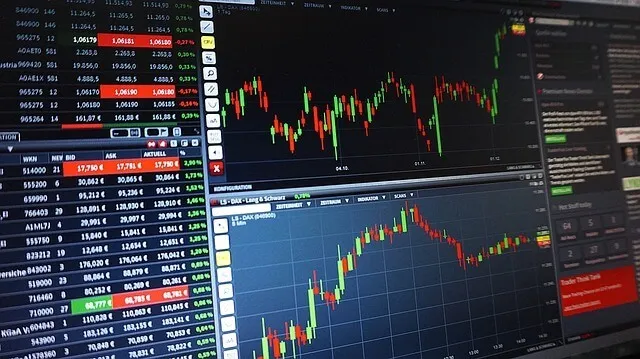
Image Source: Pixabay
Family dynamics matter in this shift in notable ways. Grandparents in various cities have reportedly asked grandchildren to open small trading accounts on their behalf, driven mainly by curiosity about safer ways to hold savings than lira accounts. Family members who assist with these accounts often note that older relatives ask increasingly informed questions, sometimes surpassing those raised by university-age relatives. These concepts tend to develop gradually through repeated real-world exposure to financial decisions.
Some communities have quietly turned community centers and local mosque associations into places where these cross-generational conversations happen, blending religious considerations about permissible financial instruments with practical explanations of currency markets. What might otherwise be a simple question of financial literacy carries another layer, as elders often want reassurance that their financial choices remain consistent with their values. Conversations like these rarely stay technical, often opening up to discussions about trust, responsibility to family, and how much control an older person should give up to younger relatives who control their digital accounts.
Not all retirees have welcomed this change. There are still skeptics who like the concrete certainty of gold coins or property over anything that requires a smartphone app and an internet connection. However, the fact that older Turks are asking what is forex trading at family dinners, coffee houses and community gatherings points to a wider cultural shift. Grandkids are once again a go-to source for financial advice for their grandparents, reviving a financial curiosity that was missing for a generation.

Comments