
Soft Landings, Big Gains: Choosing the Right Gymnastics Crash Mat for Practice
Progress in gymnastics often comes down to confidence—confidence to attempt a new vault, to push further in a tumbling run, or to land a dismount without hesitation. That confidence is built not only on training but also on having the right safety equipment in place. Among the essentials, the choice of landing surface plays a key role. For both beginners and advanced athletes, using the correct gymnastics crash mat can make all the difference.
Not all mats are created equal, especially when it comes to the high demands of gymnastics. The landings are heavier, the height is greater, and the technique requires a delicate balance of control and momentum. A mat designed specifically for this sport needs to absorb force efficiently while staying stable during landings. A mat that’s too soft might cause a stumble; too firm, and it risks joint strain. Getting that balance right is essential for safety and skill development.
In practice settings, where repetition is high and fatigue sets in, even small mistakes can lead to injury if the surface doesn’t support the movement properly. That’s why coaches often look for mats with layered construction—ones that combine soft, shock-absorbing foam with a denser base for structure. This helps minimise the jarring impact of repeated landings without sacrificing balance or body control.
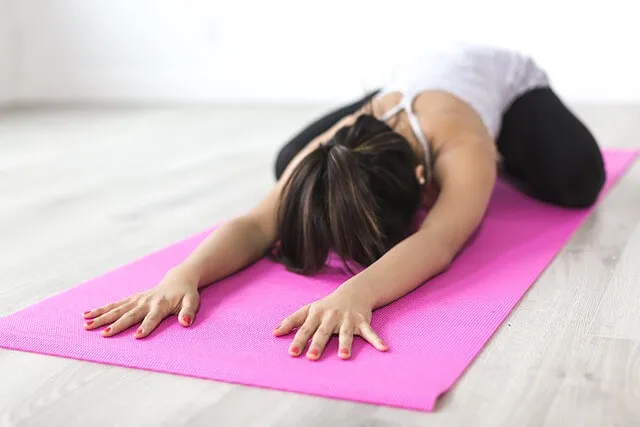
Image Source: Pixabay
The layout of a gymnastics space often changes, especially in schools or shared-use halls. That’s where portability comes into play. A gymnastics crash mat should be easy to move and position but still firm enough to stay in place once laid down. Handles, folding panels, and lightweight materials make day-to-day setup faster, allowing athletes to spend more time on routines and less on preparation.
Aside from helping athletes land safely, these mats also assist in teaching. Instructors often rely on them during drills, especially when students are learning new techniques. A well-placed crash mat provides a safety net for trial and error, encouraging gymnasts to focus on form rather than fearing the fall. It becomes part of the learning process—not just a precaution, but a support tool. This confidence speeds up learning and allows students to attempt more complex skills sooner. It also gives coaches the freedom to explore creative routines without compromising safety. Over time, this builds a more well-rounded athlete who feels secure in their training space.
Outside the gym, some athletes practise at home or in small studios. For those environments, a reliable landing surface is still essential. While the available space may be smaller, the need for protection doesn’t shrink. That’s why compact training mats are designed with the same care and materials as full-size models. A quality landing pad at home allows for safer solo practice without sacrificing peace of mind. It reduces the chance of injuries when supervision isn’t available and helps build consistent training habits. These mats also give parents peace of mind, knowing their child is training safely. Even in tight spaces, proper equipment makes a big difference in how effectively and confidently athletes can train.
Another factor to consider is durability. Gymnastics mats go through repeated use, heavy pressure, and frequent moving. A strong outer cover, often made from tear-resistant vinyl or similar materials, keeps the mat in shape despite regular wear. It also makes cleaning easier, which is important in spaces that need to maintain hygiene between sessions or users.
Whether used in a club setting, at home, or during school programmes, the right gymnastics crash mat supports more than just the body—it supports growth. A secure landing surface encourages effort, repetition, and the kind of focused training that leads to real gains over time. For parents, coaches, and athletes alike, knowing that safety is covered means attention can stay where it belongs: on the performance.

Comments