
Scaling Up: What Happens to Your Audio When Your Business Grows
A small business often begins with a simple sound setup. One room, one speaker, one playlist, one person turning the volume up or down when needed. At that stage, the arrangement may feel practical enough. The space is modest, the team is small, and the sound only needs to cover a limited area.
Growth changes that quietly. A second room opens. More customers arrive. Staff move between areas. The business adds classes, events, waiting zones, treatment rooms, meeting spaces, dining areas, or larger retail floors. Suddenly, the original system is not failing because it was a bad choice. It is failing because the business has outgrown it. That is usually the point where commercial audio speakers become part of the next stage, giving a growing space the structure and control it now needs.
The signs may appear gradually. Music that once filled the room now disappears in one corner. A speaker that sounded fine at low traffic feels thin during busy hours. Staff keep adjusting the volume because one area is too loud while another is too quiet. Announcements lack clarity. Customers near the source hear too much, while people farther away hear almost nothing.
These are not just sound issues. They are growth signals. The business is asking an old setup to serve a larger, busier, more varied environment. What worked for a single room may not work for a space with zones, changing foot traffic, different noise levels, and more complex customer journeys.
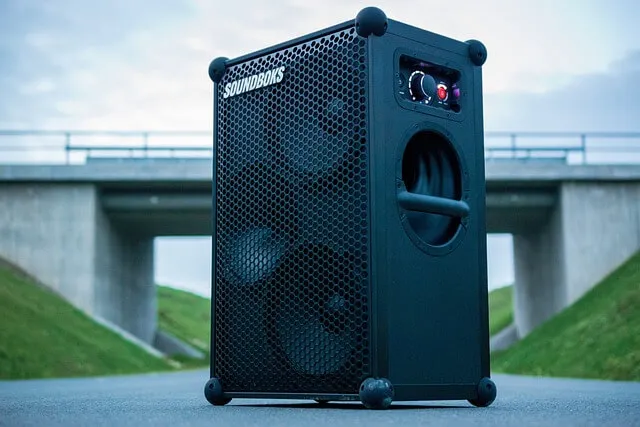
Image Source: Pixabay
Consumer or entry-level audio setups often struggle under commercial demand. They are usually built for one listening position or a small domestic space, not a business where sound needs to travel evenly across multiple areas for hours each day. They may have limited control, limited durability, and limited ability to manage different rooms or zones. Pushing them harder often creates harsher sound rather than better coverage.
This is where commercial audio speakers support scale in a more planned way. Instead of relying on one loud source, a business can create balanced coverage across the space. Instead of treating every area the same, it can set different sound levels for different uses. A reception area, private room, shop floor, outdoor section, and staff zone may each need a slightly different audio approach.
Planning ahead also protects the customer experience. Growth often brings more movement, more voices, and more pressure on the space. Without a stronger audio plan, the atmosphere can start to feel uneven. The brand may look more mature, but the sound may still feel improvised. That gap can affect how people judge the business, even if they cannot explain exactly why.
A scalable system does not mean overbuilding. It means choosing equipment and layout with the next stage in mind. Will the business add another room? Will events become part of the offer? Will staff need clear announcements? Will background music need to shift by time of day or customer type? Will the space need separate controls for different areas?
These questions help audio become part of the business plan rather than an afterthought. They also make future changes easier. A well-planned system can often expand more smoothly than a patchwork of small fixes added every time the business grows.
Upgrading sound should not feel like a crisis response. It can be a natural sign that the business has reached a new level. The same way a growing company invests in better signage, lighting, systems, staffing, and layout, it may also need audio that matches its new reality.
For a scaling business, commercial audio speakers are not just a bigger version of the old setup. They are part of building a space that can serve more people, more consistently, with less strain. Growth asks more of every detail. Sound is one of them.

Comments