
Getting More From a Trader Terminal Than Just Buying and Selling
When people hear the term trader terminal, many immediately imagine a screen filled with charts, numbers changing rapidly, and buttons used to place trades. For beginners, it often looks like a tool designed for one purpose only: entering and exiting positions.
That first impression makes sense.
After all, trading platforms usually appear busy at first glance. There are watchlists on one side, charts in the middle, market information in another section, and different windows opening simultaneously. For someone new, the immediate thought is often, “I probably only need to learn how to buy and sell.”
Then time changes that view.
Many traders eventually realise that a trading terminal becomes much more than a place where trades happen. It slowly turns into a workspace where habits are developed, decisions are made, and routines start forming.
Think of It as a Daily Workspace
People rarely perform their best work in an environment that feels uncomfortable or disorganised.
Imagine trying to study with books scattered everywhere, notes missing, and important information difficult to find. Even simple tasks would start feeling frustrating after a while.
A trading environment can work in a similar way.
A trader terminal often becomes the place where traders spend a significant amount of time. Because of that, the way it is organised can quietly affect focus and comfort more than people initially realise.
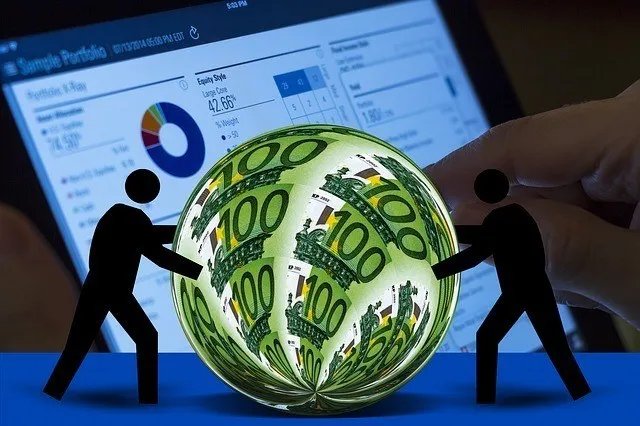
Image Source: Pixabay
Many traders eventually build routines around things like:
- Reviewing watchlists
- Checking broader market trends
- Monitoring open positions
- Recording observations
- Analysing charts
These tasks gradually become part of a normal workflow.
Why Simplicity Usually Wins
Beginners often believe more information automatically creates better decisions.
That assumption usually leads to crowded screens.
Several indicators appear.
Multiple charts open at once.
Too many windows compete for attention.
Initially this feels productive because it seems like more information should provide more control.
Then something unexpected happens.
Instead of making decisions easier, too much information sometimes creates hesitation.
Experienced traders frequently move in the opposite direction. Many simplify their environment because clear information often feels easier to manage than endless information.
The Environment Can Affect Behaviour
One thing many traders underestimate is how much the surrounding environment can influence emotions.
If a platform feels confusing, frustration can build.
If navigation feels slow, impatience may appear.
If information feels difficult to locate, decision making can start feeling rushed.
These reactions may seem small individually, but repeated daily they can gradually affect routines.
For people using a trader terminal, comfort and familiarity often become more important over time.
Small Adjustments Can Create Better Workflows
Many improvements do not come from major changes.
Sometimes smaller adjustments create noticeable differences.
Examples can include:
- Organising frequently used charts
- Removing unnecessary indicators
- Creating cleaner layouts
- Saving preferred templates
- Keeping important information visible
None of these things feel dramatic while they are happening.
Yet repeated use often makes the experience feel smoother.
Trading Often Becomes More Comfortable Through Familiarity
Many beginners expect confidence to arrive through learning advanced tools.
Quite often it develops differently.
Confidence usually starts appearing when the environment stops feeling unfamiliar.
You stop searching for buttons.
You know where information is located.
Navigation begins feeling natural.
The platform itself does not become simpler.
You simply become more comfortable using it.
In the end, a trader terminal usually becomes much more than a place used for entering trades. Over time it turns into a personal workspace that supports routines, organisation, and decision making. While many people initially focus on buying and selling functions, they often later discover that the environment itself quietly influences the overall trading experience.

Comments