
Why UK Boutiques Are Rethinking Their Ceiling Speakers
Walk into a boutique on a quiet street in Leeds or Brighton, and you may notice something subtle has changed. The clothes still hang in neat rows. The lighting still flatters every fabric. But the sound? It feels different. Less harsh. More present. Clear, but not loud. That shift didn’t happen by accident.
Across the UK, more boutique owners are rethinking how they use sound in their spaces. And at the centre of that shift is the ceiling speaker.
Once, these speakers were seen as the easy choice. Out of the way, neat to install, rarely questioned. But convenience isn’t always compatible with experience. Many shop owners are starting to realise that their ceiling speakers haven’t been helping as much as they assumed.
Part of the issue lies in how sound moves. Ceiling-mounted systems can work, but only if the space supports them. High ceilings, uneven layouts, and reflective surfaces cause problems. Sound travels downward, hits a hard floor, and scatters. In narrow boutiques, that might cause uneven zones where one side of the shop feels sharp while the other fades into background hum.
Commercial audio speakers, when selected with care, offer better control. These systems give business owners more ways to shape sound not just blast it downward. Some new designs can direct audio across horizontal spaces or into defined zones. Others let you adjust levels based on the room’s behaviour, not just its size.
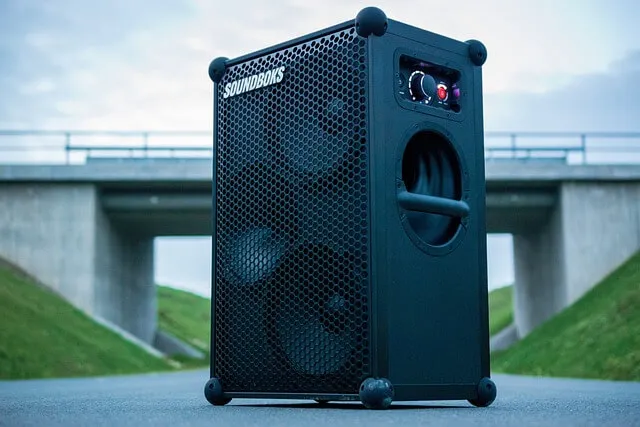
Image Source: Pixabay
What’s changed is awareness. More boutique owners are starting to see sound as part of the brand, not just background. The wrong sound can make even the most elegant setting feel rushed or disconnected. Too much echo flattens the mood. A poor mix might drown out conversation. The effect is subtle, but strong. Shoppers notice how a space feels, even when they can’t name what’s wrong.
In response, some boutiques have moved away from ceiling setups entirely. They now use discreet wall-mounted commercial audio speakers, sometimes paired with acoustic panels. Others have simply replaced outdated ceiling units with models that offer tighter dispersion and cleaner tone. These changes, though small in appearance, transform the atmosphere.
This shift also lines up with changes in how people shop. Customers today often spend more time browsing. They seek calm, not chaos. The music doesn’t need to impress it needs to fit. Harsh volume or uneven playback makes a store feel cheap, even if the products are high-end. Smooth sound encourages people to stay longer, which often leads to more purchases.
Some boutique owners also mention flexibility as a reason for upgrading. With newer commercial audio speakers, they can shift between playlists or adjust sound levels for special events. A launch night might call for bright, confident music. A rainy weekday might suit softer tones. Being able to control those changes across zones gives shops a finer tool for shaping the customer journey.
There’s also the matter of tech catching up with style. Older ceiling speakers often looked clunky or stood out in carefully designed interiors. Newer models offer cleaner lines, flatter mounts, and finishes that blend with plaster or paint. In boutique spaces where every visual element matters, that difference counts.
None of this means ceiling speakers are being abandoned completely. They still serve a purpose, especially in symmetrical layouts with lower ceilings. But in the UK retail scene, more shops are pausing before defaulting to them. They ask: What do we want people to hear? Where should the sound travel? How do we want the space to feel?
The answer to those questions often leads them to rethink the tools they use. Sound can elevate a space but only when it fits. And in the world of boutique retail, that fit needs to be just right.

Comments