What Is Forex Trading Looks Different From a Border City Where Pesos and Dollars Mix Daily
Along the northern frontier, exchange rates are posted the way gasoline prices are in other places. Casas de cambio line the streets of Tijuana, Ciudad Juárez, Nogales, and Nuevo Laredo, some displaying buy and sell quotes for the dollar on digital boards throughout the day. Residents pass them on the way to work, to school, and to the supermarket, and the spread between those two numbers becomes something people notice without trying. In a setting like this, currency exchange is not a specialist subject but a feature of the landscape.
Daily routines reinforce that familiarity. Tens of thousands of people cross into San Diego, El Paso, or Laredo each day for jobs, shopping, or study, earning or spending in one currency and living in the other. Some restaurants and shops on the Mexican side accept both, quoting prices in pesos while giving change in dollars, or the reverse. Shoppers develop a quick mental calculator, sensing within seconds whether a vendor’s improvised rate is fair. That instinct, sharpened over years of small transactions, is a practical form of currency literacy most finance textbooks never capture. For some residents, the question what is forex trading begins with this everyday experience.
For newcomers to financial markets in these cities, that familiarity offers an unusual starting position. Elsewhere, beginners usually have to grasp the idea that one currency is priced in terms of another before anything else makes sense. Border residents already understand it intuitively, having watched the peso strengthen or weaken against the dollar in their own wallets. The learning curve shifts toward the parts that are genuinely new, such as leverage, margin, the role of central bank decisions, and the sheer speed of price movements in the global interbank market.
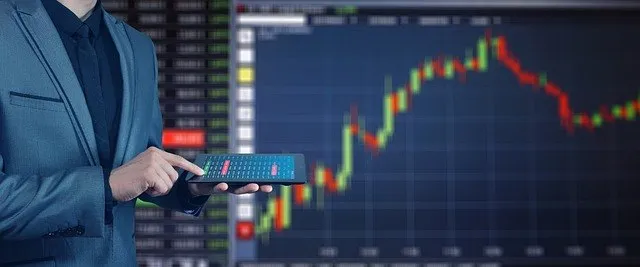
Image Source: Pixabay
That head start can cut both ways. Confidence built from handling cash at the exchange counter does not automatically translate into an understanding of leveraged positions, where a small move can erase an account in hours. Local trading communities may point out the difference between exchanging money at a booth and speculating on currency pairs through a platform, and newcomers who blur the two tend to underestimate risk. The Comisión Nacional Bancaria y de Valores maintains public lists of authorized entities, and checking them is a useful precaution for newcomers.
Policy has given the border its own economic character as well. Since 2019, designated northern border areas have offered a reduced value-added tax rate for qualifying transactions and a higher minimum wage than the rest of the country, measures designed to keep local commerce competitive with American stores a short drive away. Manufacturing plants paying wages in pesos while exporting in dollars add another layer, since factory output, employment and household budgets all respond to the exchange rate. Border communities can feel the effects of a Banxico rate decision or a Federal Reserve announcement directly.
Curiosity about trading in border cities can therefore be practical rather than speculative at first. People want to understand why the dollar jumped after an election, why the rate at the bridge differs from the one quoted on the news, or whether converting savings now or next month makes more sense. Answering what is forex trading in that context means connecting global market mechanics to questions residents are already asking at the counter. Exchange boards will keep flickering along the frontier regardless of market sentiment, and border households will keep reading them. As digital platforms make global currency markets easier to reach, the residents who grew up between two currencies may find that their everyday fluency provides a starting point, provided it comes paired with respect for how differently a trading account behaves from a wallet.