Korean Savers Approach Currency Markets Through Dollar Deposits Long Before Leverage
When the economy of South Korea is uncertain, foreign currency counters at major banks tend to get busier. Dollar deposit accounts offered by institutions such as KB Kookmin, Shinhan, Hana, and Woori have become familiar financial tools for many Koreans. Whenever exchange rates become a topic on television, interest in holding dollars tends to grow. For many account holders, these deposits represent their main connection to the currency market.
In addition to being based on straightforward calculations, the appeal is a reflection of memories of previous economic crises. South Korea’s economy is heavily reliant on exports, leaving the won vulnerable to shifts in global demand, semiconductor sales and movements in U.S. interest rates. Older generations also recall the currency’s steep decline during the Asian financial crisis of 1997 and the global financial crisis of 2008. Holding some savings in dollars can feel more like insurance than speculation. The money remains in a regulated bank account, may earn interest, and does not expose the account holder to margin calls.
Leveraged trading requires a very different mindset. For many Koreans asking what is forex trading, the concept does not immediately bring margin trading to mind. Regulatory changes a decade ago with lower leverage limits, education and minimum deposit requirements have had a profound impact on the domestic retail market for derivatives trading. Retail trading volumes dropped and some traders migrated to offshore platforms with their own investor protection and dispute resolution worries. Instead, many ordinary savers are stuck with bank deposits.
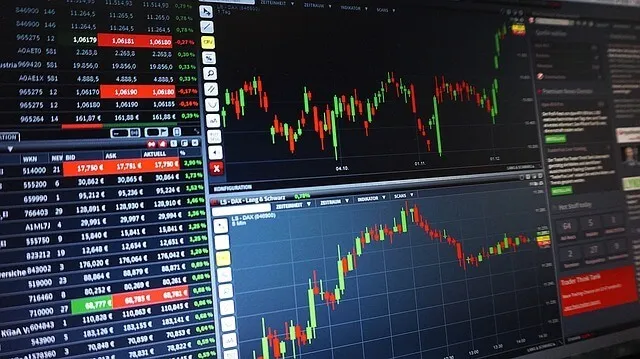
Image Source: Pixabay
Currency conversion has come to a whole new level with mobile banking. Users can trade won for dollars in a few taps on apps from Toss Bank, KakaoBank and traditional lenders. Sometimes there are promotional offers that reduce exchange spreads, making small conversions more attractive. Younger savers who previously paid little attention to foreign currencies have started buying dollars, with some timing their purchases around exchange rate dips in much the same way they approach stock investments. Seeing the won value of a dollar balance change over a few days can prompt greater curiosity about how currency markets work.
Overseas stock investing creates another source of currency exposure. Korean retail investors, often nicknamed Western ants, buy US stocks and need dollars to fund those purchases. They may also keep dollar balances between trades, leaving them exposed to exchange rate movements even when they are focused on technology shares. A stronger dollar can help offset some losses on US stocks when measured in won, while a weaker dollar can eat into gains that look substantial in dollar terms at first glance.
First-time dollar-holders may also underestimate the risk involved. Exchange spreads can consume a significant portion of the interest earned on a deposit, particularly if the exchange rate moves unfavorably before the money is converted back into won. Buying dollars near a peak can leave savers waiting years for a favorable opportunity to sell. Interest rate differences between the Bank of Korea and the US Federal Reserve also influence currency movements. People exploring what is forex trading may eventually encounter leverage, price charts, and pip values, but a basic dollar deposit can introduce them to currency risk at a much gentler pace.
That gradual learning process can be more useful than simply following a trading platform tutorial. Savers who have watched their dollar balances rise or fall in won value already understand a fundamental principle of exchange rates. Those who later move into active trading can build on that experience while learning how quickly currency movements can change their results. For most Korean households, however, a dollar deposit remains a practical way to hold foreign currency rather than a first step toward leveraged trading.